Center for Research and Engagement in Science and Mathematics Education

Purdue College of Education Logo Center for Research and Engagement in Science and Mathematics Education Logo

TEACHING FOR DIVERSITY AND UNDERSTANDING WITH SOCIOTRANSFORMATIVE CONSTRUCTIVISM: A 3-PART SEMINAR

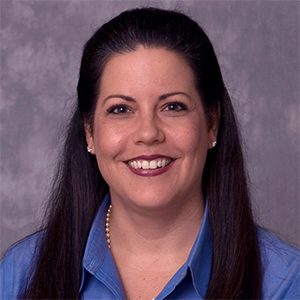
Dr. Alberto J. Rodriguez
Mary Endres Chair in Elementary Education

I. The Courage to Act on What We Do Know: Using Research Findings to Guide Our Children’s Education in the 21st Century and Beyond

Date: 2/22/13
Room: LWSN 1142
Time: 12:00 - 1:30 PM

In this session, I will argue that we have accumulated a great deal of research on the sociocultural, historical and institutional factors that continue to fuel the achievement gap and student drop out rates. What we need then is the courage to act on what we know to advocate for children and their successful education.

II. From Good Intentions to Transformative Action: Using Sociotransformative Constructivism to Shift How We Teach and How We Learn in a Culturally Diverse World

Date: 3/1/13
Room: STEW 202
Time: 12:00 - 1:30 PM

The focus of this section is on contrasting research on how people learn and why this research has had little impact on how teachers teach and how students learn. Sociotransformative constructivism (sTc) will be offered as an alternative framework for teaching and learning that seeks to make the curriculum culturally and socially relevant for all children.

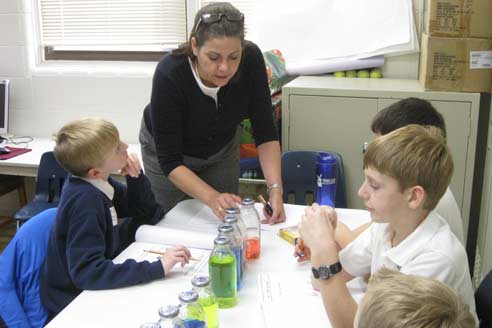
III. Sociotransformative Constructivism in Action: A Minds-On, Hands-On Workshop with Examples from Research-Based Findings.

Date: 3/29/13
Room: STEW 311
Time: 1:30 - 3:30 PM

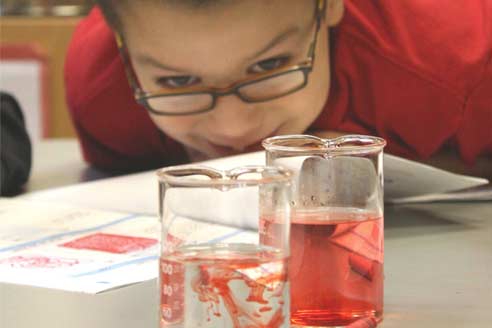
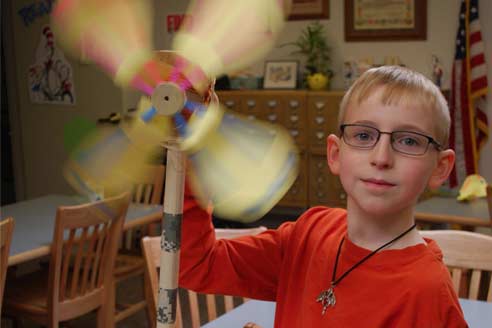
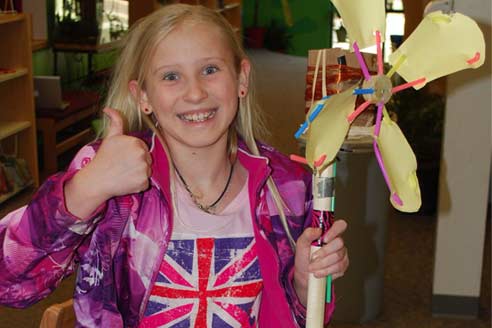
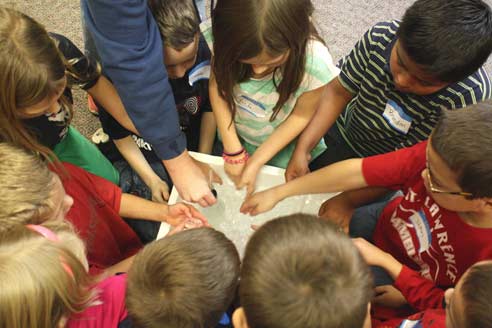
This section will showcase one of the sTc research-based activities with audience hands-on and minds-on participation. The activity will be then deconstructed to illustrate how it represents cross-cultural and socially relevant teaching and learning.

Format: The first two sessions are 1 ½ hours long. Professor Rodriguez will speak for 30-40 min first, and this presentation will be followed by a 20- 30 min general discussion. After this, audience participants are encouraged to stay for a small group discussion of potential praxis plans—that is, an exploration of next action steps or ways in which the information shared could be used in participants’ own working contexts, research and/or social activism.

The last session, as implied, will be a workshop and participants will actually carry out one complete activity. Time will be provided to deconstruct the activity and explore ways in which these types of culturally and socially relevant (sTc) activities could be integrated in participants’ teaching practice.

Rodriguez Flyer